
Held over live video
Sessions run through a standard video call platform. A link is shared ahead of each Saturday, and no special software is required beyond a browser.
Three live sessions, held on consecutive Saturday mornings, each roughly an hour, with a short cooking demonstration and open questions at the close. Below is what each one actually covers.
The format stays deliberately simple. There's no pre-recorded module to work through beforehand and no follow-up sales sequence after the third session ends. Each Saturday stands as its own live event, held over video, with a recap document sent afterward for anyone who wants to revisit the material.
This first Saturday opens with a plain-language look at what inflammation is: a normal biological response, not an emergency to be eliminated on sight. The session distinguishes between short-term inflammatory responses, which are protective, and the longer-running patterns that researchers study in relation to diet.
Expect a walkthrough of how nutrition studies in this area are typically designed, what an "association" means statistically, and why a single study rarely settles anything on its own. The tone is closer to a university lecture than a wellness seminar. No fear-based framing, no countdown clock.
Session two moves into specifics: which everyday foods appear repeatedly, across independent studies conducted by different research groups, in connection with lower markers of inflammation. This isn't a single miracle list. It's closer to a recurring cast of ordinary ingredients: leafy greens, legumes, oats, fatty fish, olive oil, berries, nuts, and a handful of others.
Each one is discussed alongside its actual supermarket form, not an idealized version. Frozen spinach counts. Canned salmon counts. Dried lentils from the bulk bin count. A short live cooking segment demonstrates two or three simple preparations using items from this list, cooked in real time on camera.
The final Saturday is the practical one. Rather than a rigid meal plan, the session works through a rotation framework: a loose weekly structure built around a handful of anchor ingredients, with enough variation to avoid the flatness that makes most eating plans collapse within a month.
A significant part of this session addresses why no single ingredient, however well-studied, compensates for an overall pattern that doesn't change. Adding a spoonful of flaxseed to a diet otherwise unchanged does very little on its own. The rotation approach asks a different question: what does a realistic week of dinners look like when it leans, gradually, toward the foods discussed in session two?
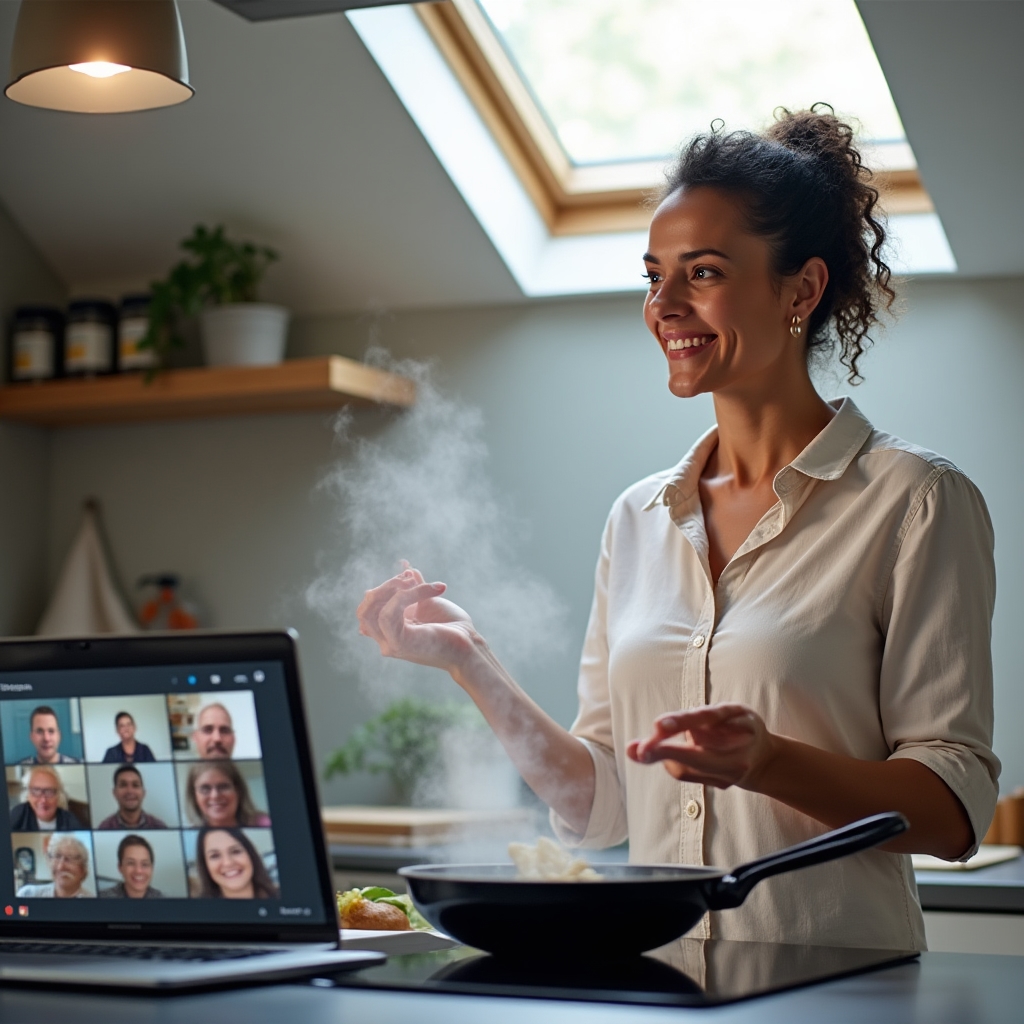

Sessions run through a standard video call platform. A link is shared ahead of each Saturday, and no special software is required beyond a browser.
For anyone who wants to cook along in real time, a short shopping list goes out a few days before each session, built entirely from standard supermarket categories.
A short written summary follows each session, covering the key points and the rotation template, for reference after the live sessions conclude.
Each session sets aside time at the end for questions, addressed live where possible, without individualized dietary recommendations.
Get in touch to check the current schedule and reserve a place across all three Saturday sessions.
Contact the StudioA separate page addresses that concern directly and explains how the rotation format is built to work with it, not against it.
Read That Page